
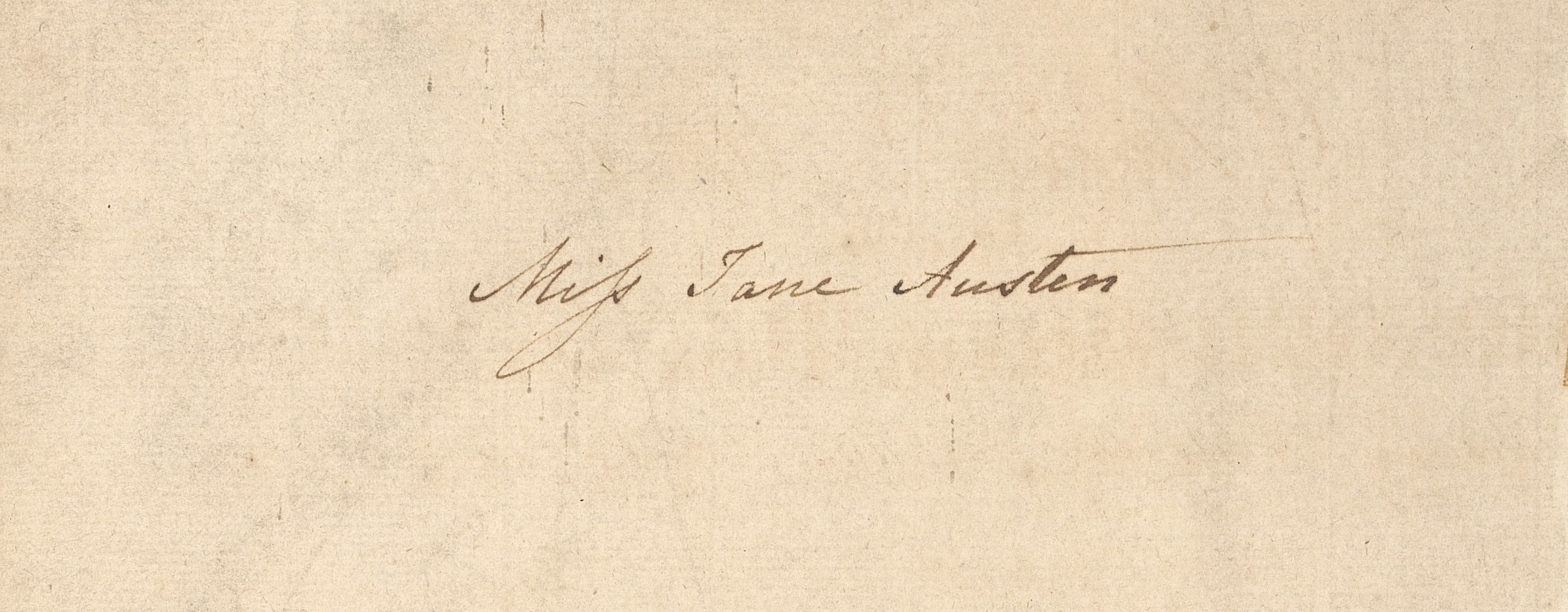
Jane Austen’s own copy of a wide-ranging collection of short keyboard pieces is now freely available online in The Austen Family Music Books collection in Internet Archive, digitised by the University of Southampton.
As a pupil of the Winchester organist George Chard in the 1790s, Austen engaged with scores aimed at learners that were produced in large numbers by British music publishers. One of these was the Roman composer Domenico Corri’s A Select Collection of Choice Music for the Harpsichord and Piano Forte, first printed in Edinburgh for Corri’s own publishing firm between 1780 and 1790. Corri and his wife, the singer Francesca Bachelli, had arrived in Scotland in 1771 at the invitation of the Edinburgh Music Society. He rapidly established himself as a leading pedagogue in the city, giving singing and keyboard lessons to aristocratic families. The Select Collection figures among the many educational publications that reflect his teaching methods and helped him to achieve a wider reputation in Britain.
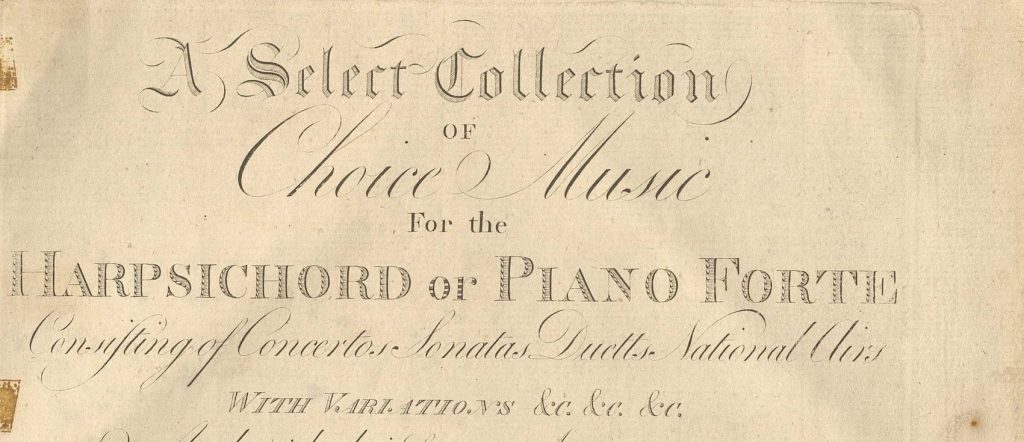
Austen’s copy of the Select Collection was donated by a descendent to the Jane Austen Memorial Trust in 1947. Lost during the 1980s, it was rediscovered in 2023 and has now been returned to Jane Austen’s House. Music from the book was used for concerts at Chawton House to celebrate the rediscovery, and is now available in a digital format that allows performers around the world to incorporate it into their programmes.
The book carries Austen’s signature and includes marks – by Austen or her teacher – that suggest which pieces she played. And it contains one further intervention of particular interest to music historians and Austen enthusiasts. One page in Austen’s copy was erroneously printed upside down in the middle of a piece, meaning that the player would have to turn the book upside down before being able to continue. Austen remedied the error by neatly and painstakingly copying out the entire page by hand, then glueing her manuscript over the defective page in the correct orientation so that the music can be played continuously.
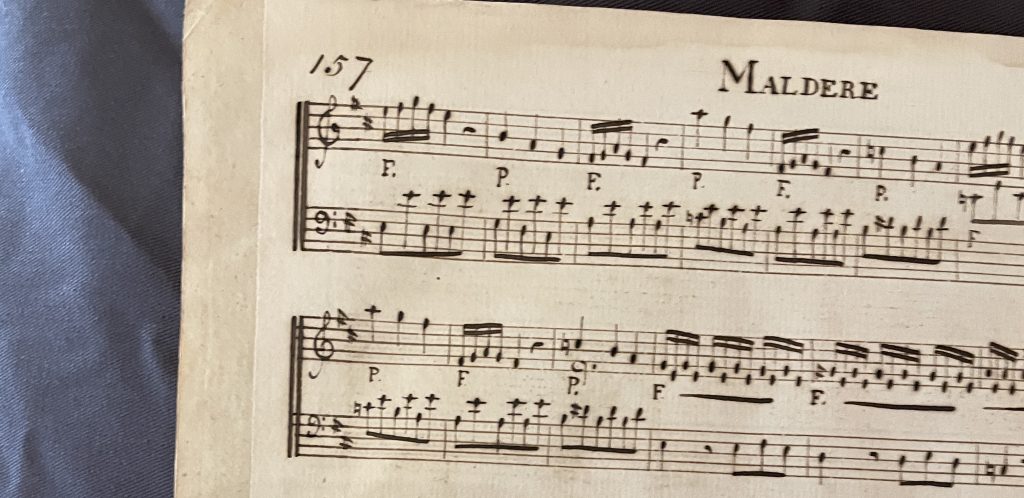
This repair gives us more insight into Austen’s music copying (“as easy to read as print” according to her niece Caroline) and her wider relationship to printed books. And since other examples of the Select Collection held in research libraries in the UK do not have this printing mistake, it seems likely her copy comes from a previously unknown second printing of Corri’s book, made shortly before or after he moved to London c. 1789. Now that images of Austen’s Select Collection are available online, musicians and Austenites alike can explore these new perspectives.